
Our services
-
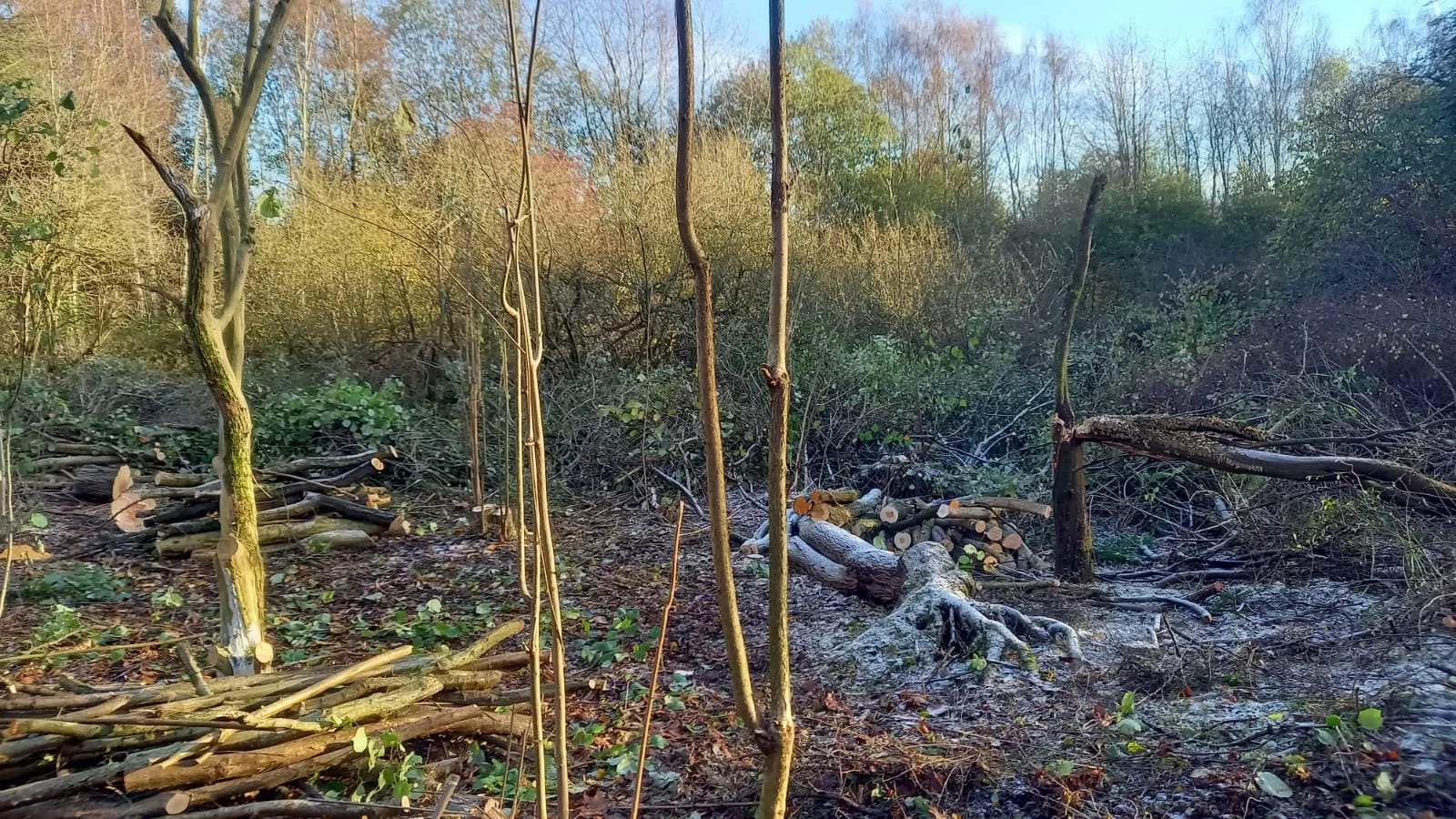
Coppicing enhances the productivity of woodlands whilst improving woodland health and biodiversity by creating a range of age classes and mosaic of habitats. We have many years of experience working across a variety of woodland types. We currently deliver coppicing services across South Yorkshire and Derbyshire. We also provide expert guidance on all aspects of coppicing, including establishment, restoration, rotation planning, species selection, product utilisation and standard management.
-
We produce coppiced products (hurdles, hedge stakes, binders etc) from local, sustainably managed woodland across South Yorkshire and Derbyshire. Every winter we cut and care for coppice woods, ensuring they are productive for future generations and valuable habitat for local wildlife. Please check our products page for information on pricing and availability.
-
Hedgelaying is a traditional skill and art form, used for hundreds of years to maintain healthy hedgerows. By pleaching and laying a hedge into a stock proof barrier, we can create a healthier and more wildlife friendly hedge than if it were repeatedly flailed. We lay hedges in the Midlands and Yorkshire styles, but will always choose a style and method that is most appropriate for your land.
-
Our woodlands were once naturally maintained by grazing bison and other large herbivores. Without these processes today, thoughtful management is essential to ensure woodlands remain rich in diversity and wildlife. Active management, by thinning and clearing, provides a mix of different age structures and habitats within a wood.
Our fully qualified and experienced chainsaw operators provide a comprehensive range of tree management services, including tree felling, ring barking and formative pruning.We also specialise in the management of established woodlands, offering services such as selective thinning and site preparation for the creation of new woodland areas.
-
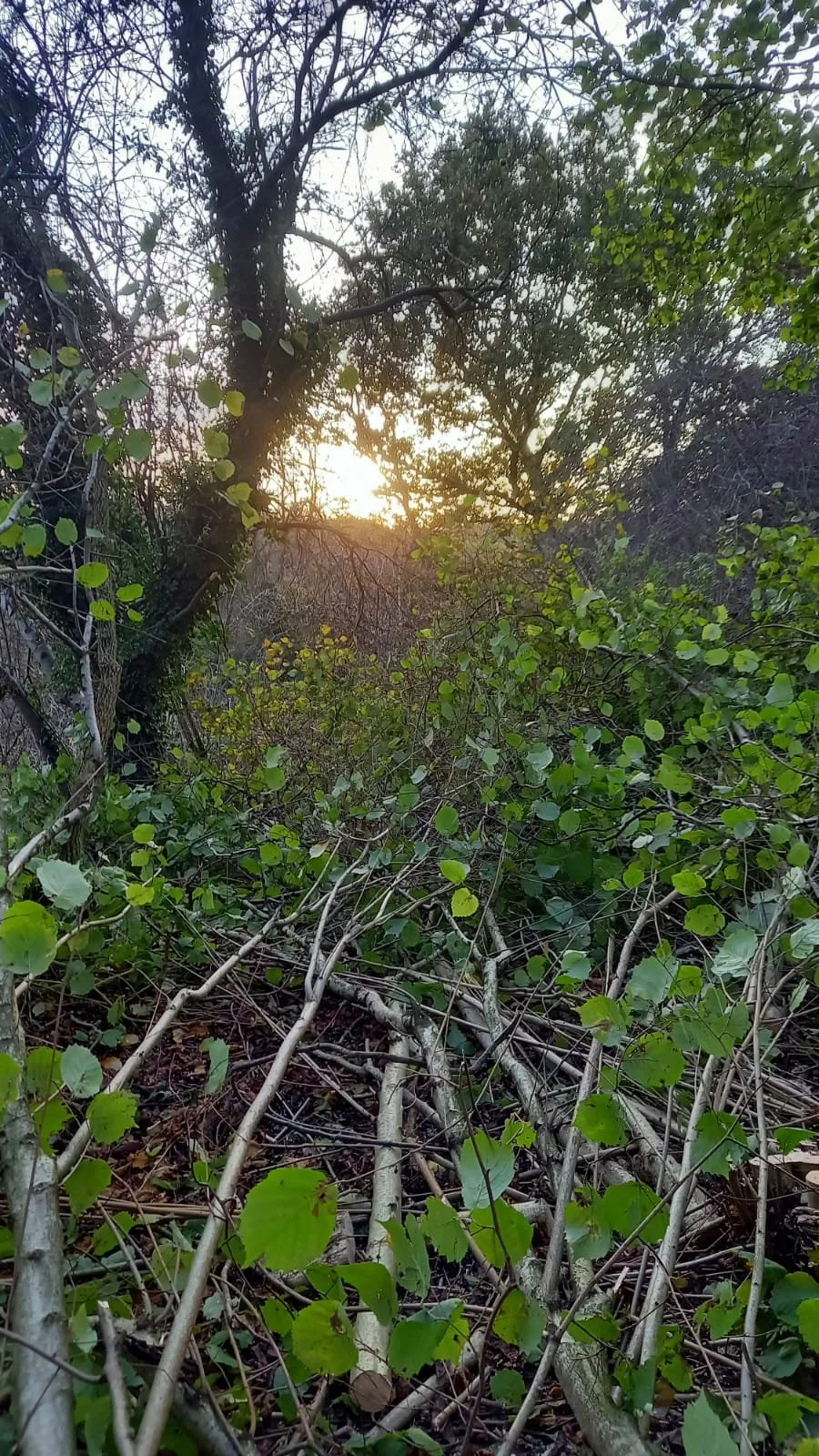
Habitats like meadows and lowland heath require some kind of human intervention in order to persist. In the past, local people will have cut birch and other woody vegetation for use as fuel. This, along with grazing by cattle and ponies for example, would have kept the habitat from quickly developing into woodland. Too much scrub negatively impacts the specialist wildlife that thrives in these open habitats. We can control the succession of these habitats by cutting young trees and shrubs, creating habitat piles with the brash, which is perfect for invertebrates and reptiles.
-
Planting trees brings many benefits to our landscape, so long as we follow the ‘right tree, right place’ rule. We are particularly interested in restoring mosaic habitats and increasing habitat connectivity. Whether its in restored coppices, hedges, or existing and new woodland, we recognise the need to plant new trees to give our woodland habitats the boost they need.